POSTER SERIES
POSTER SERIES
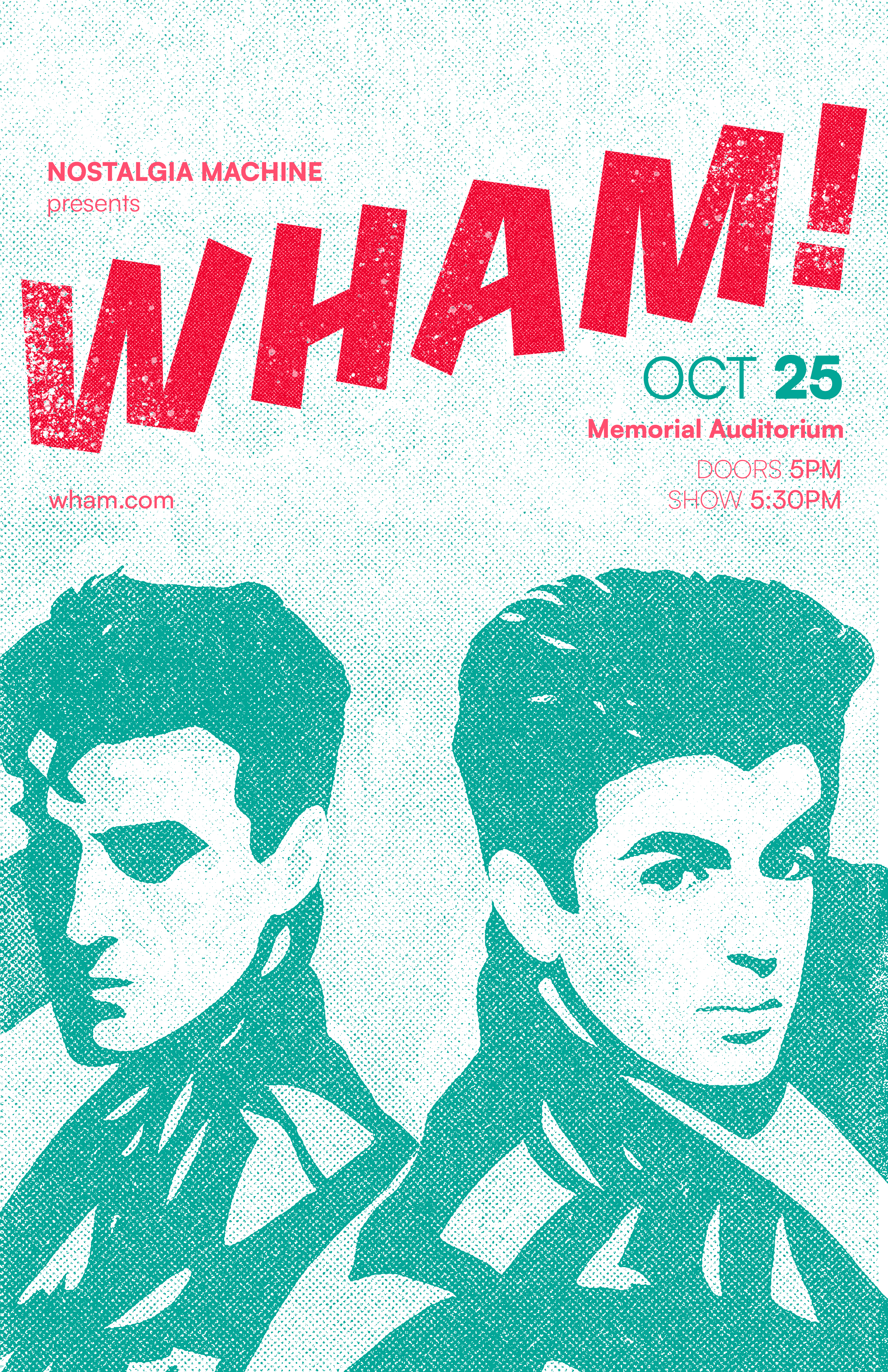
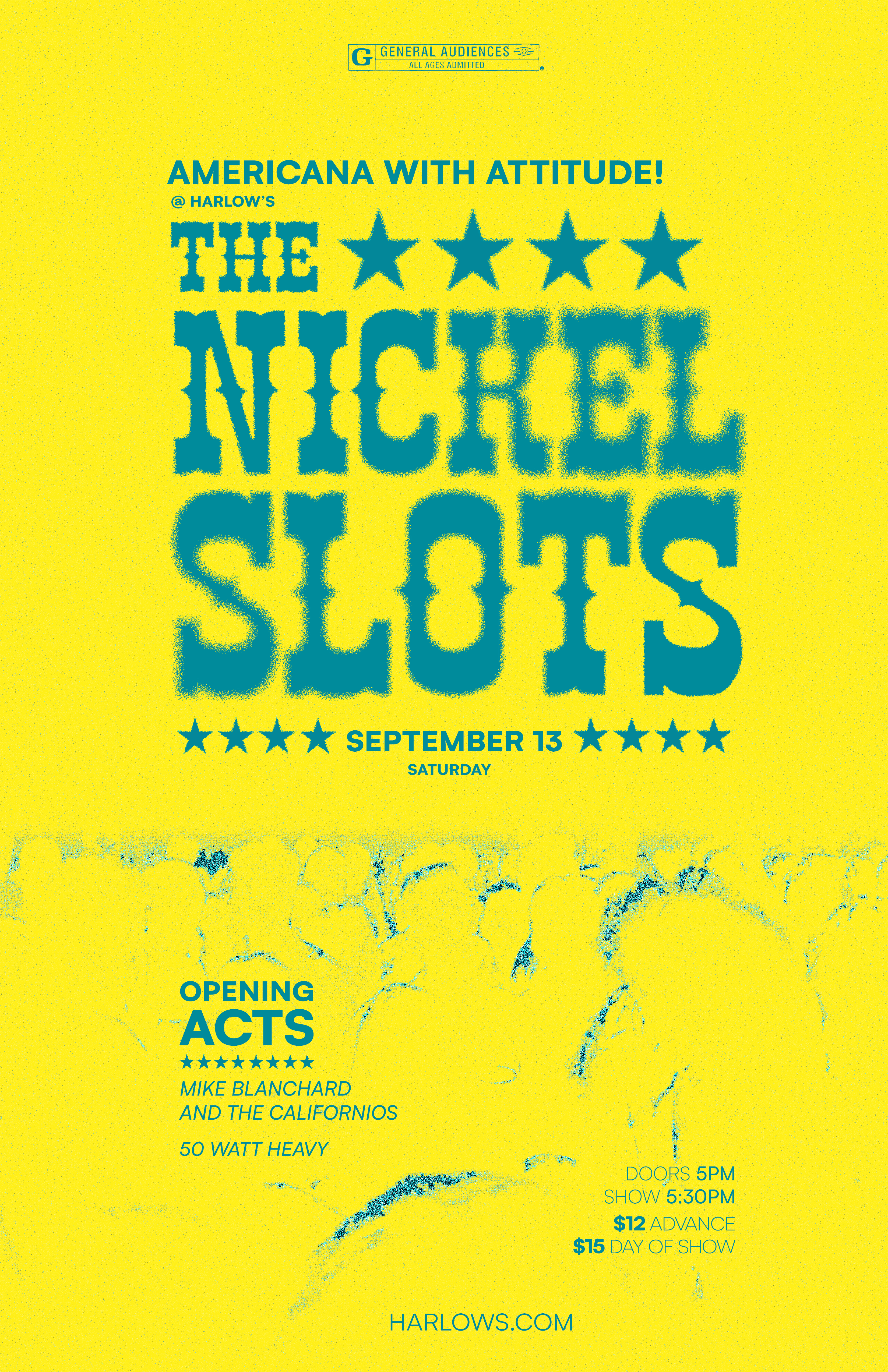
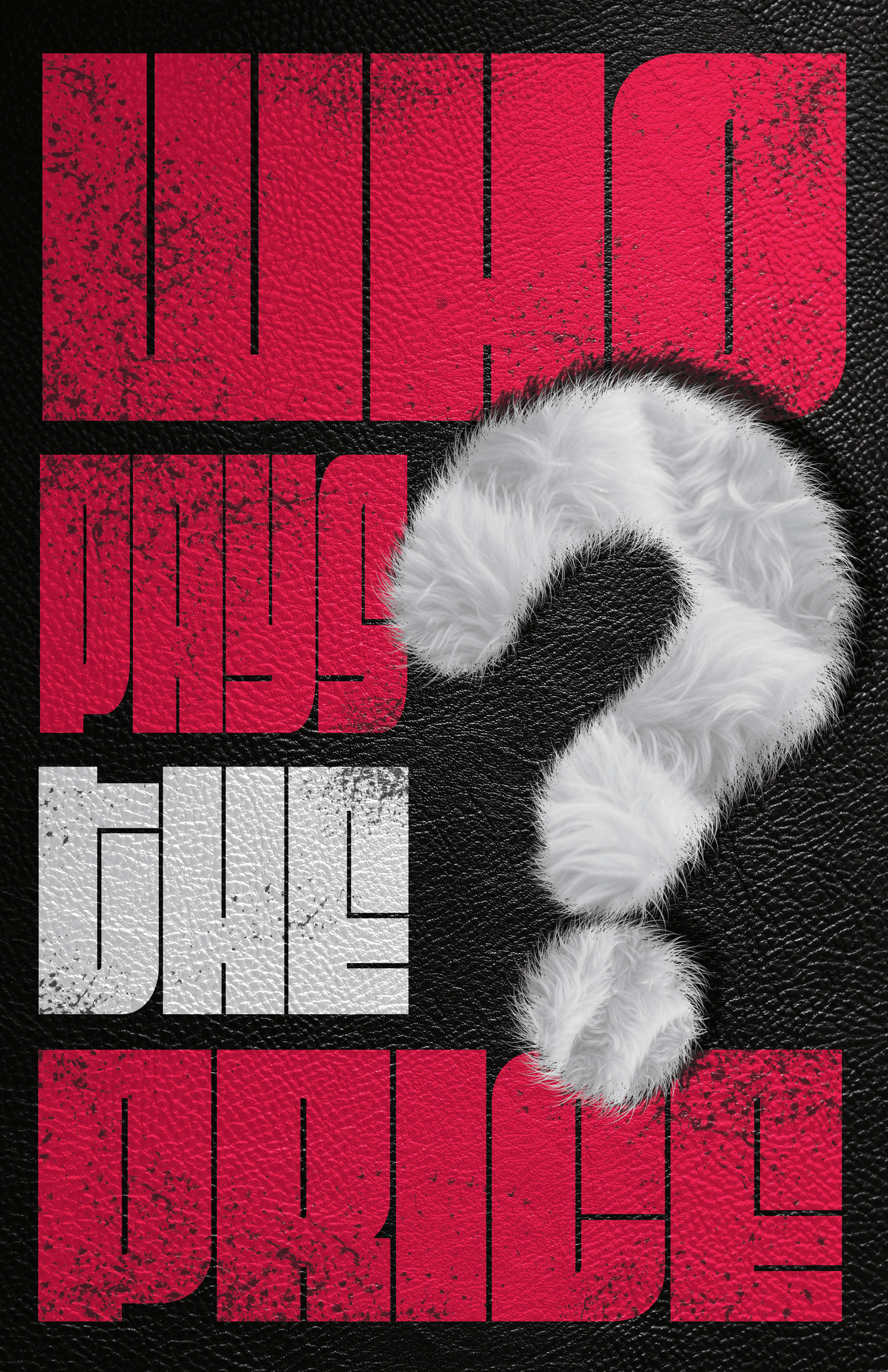
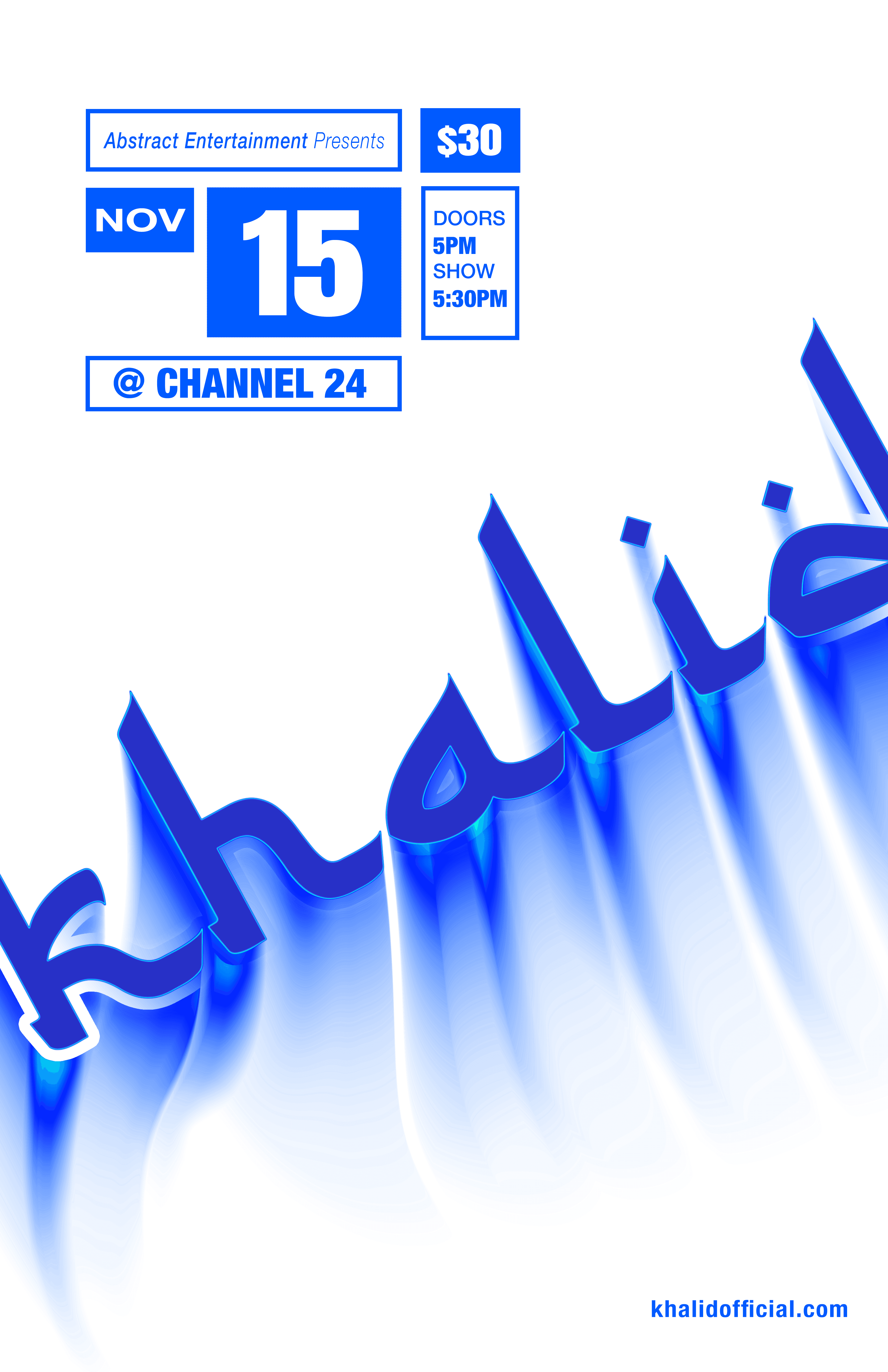
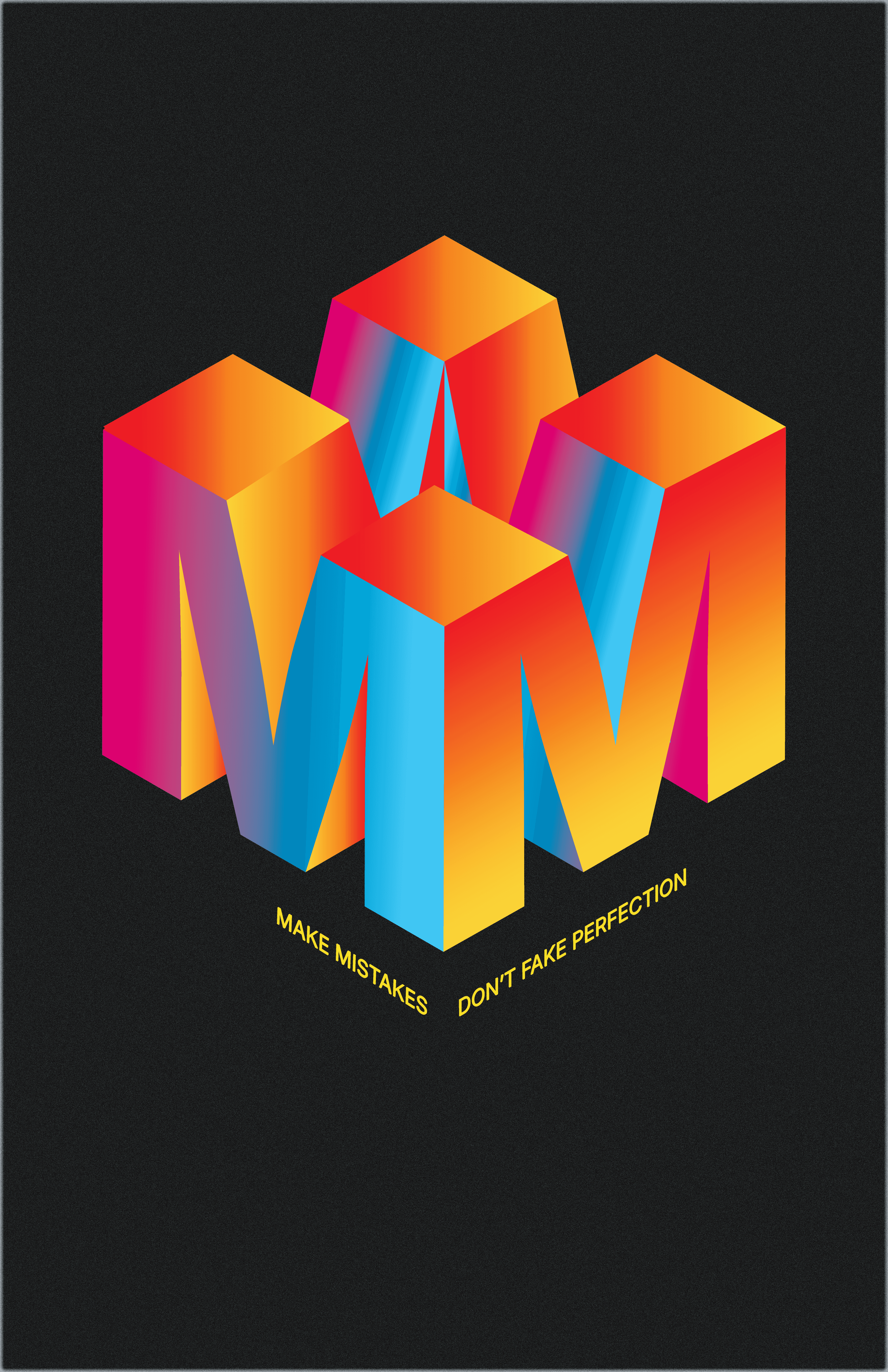
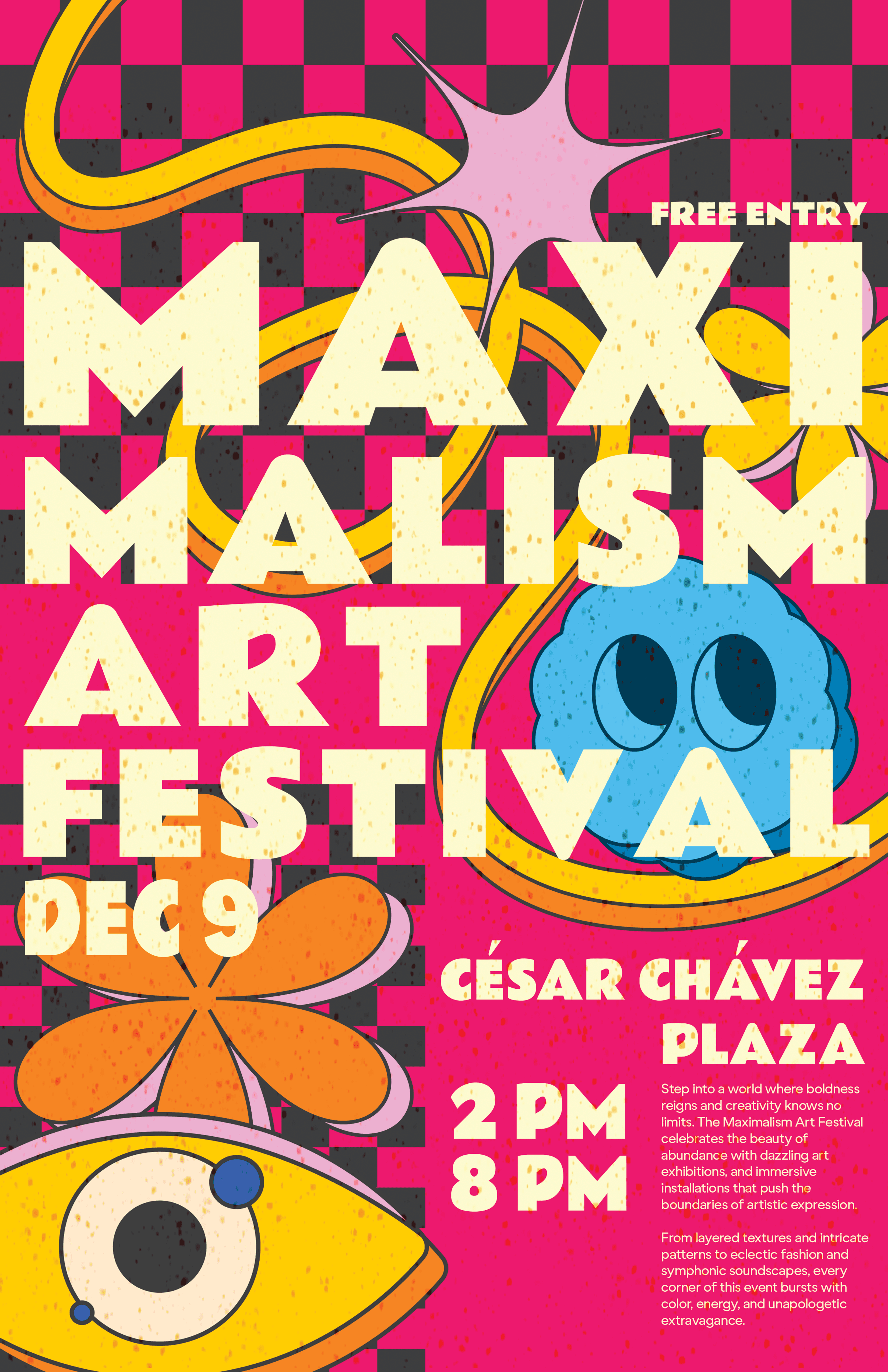
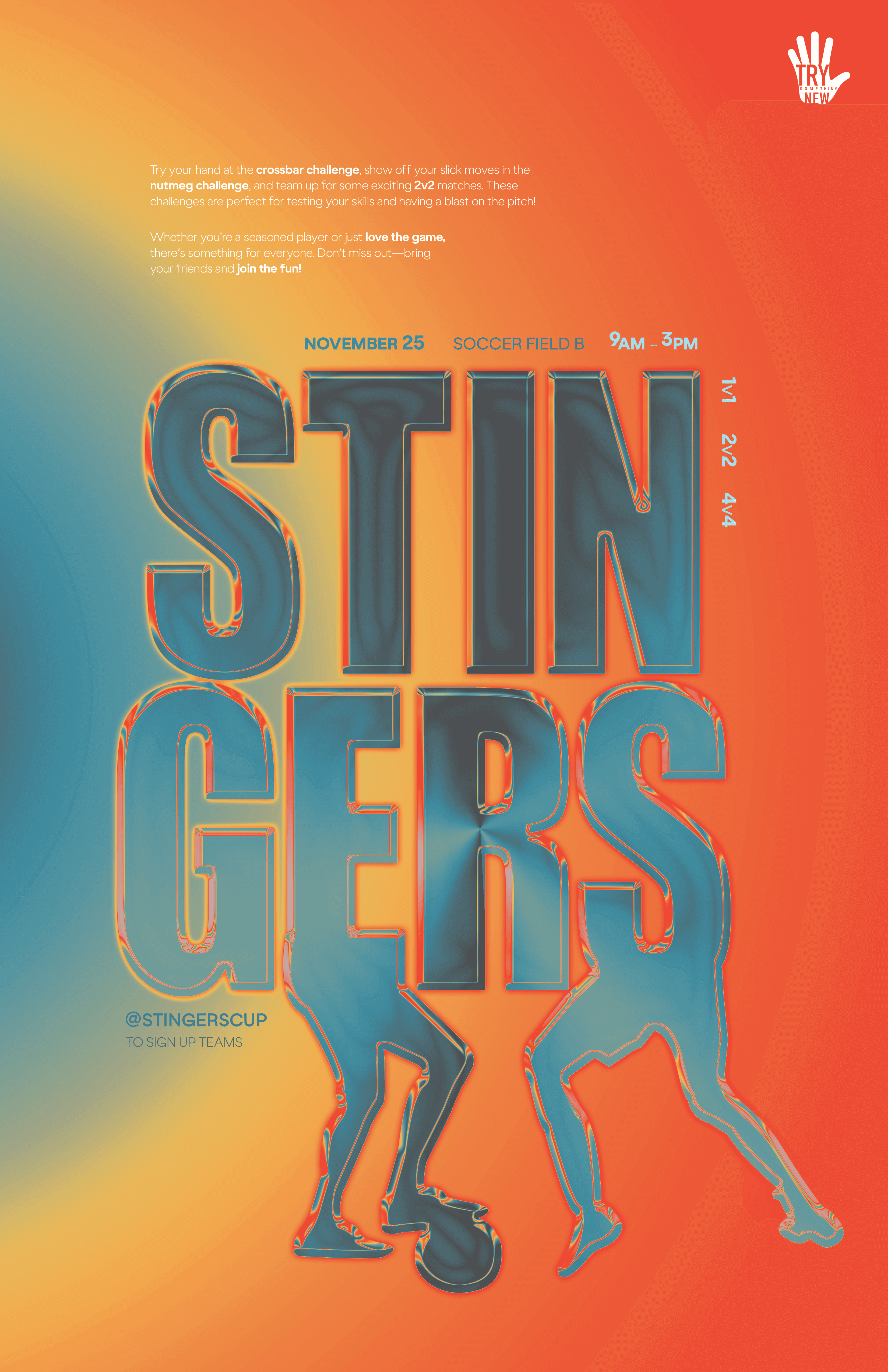
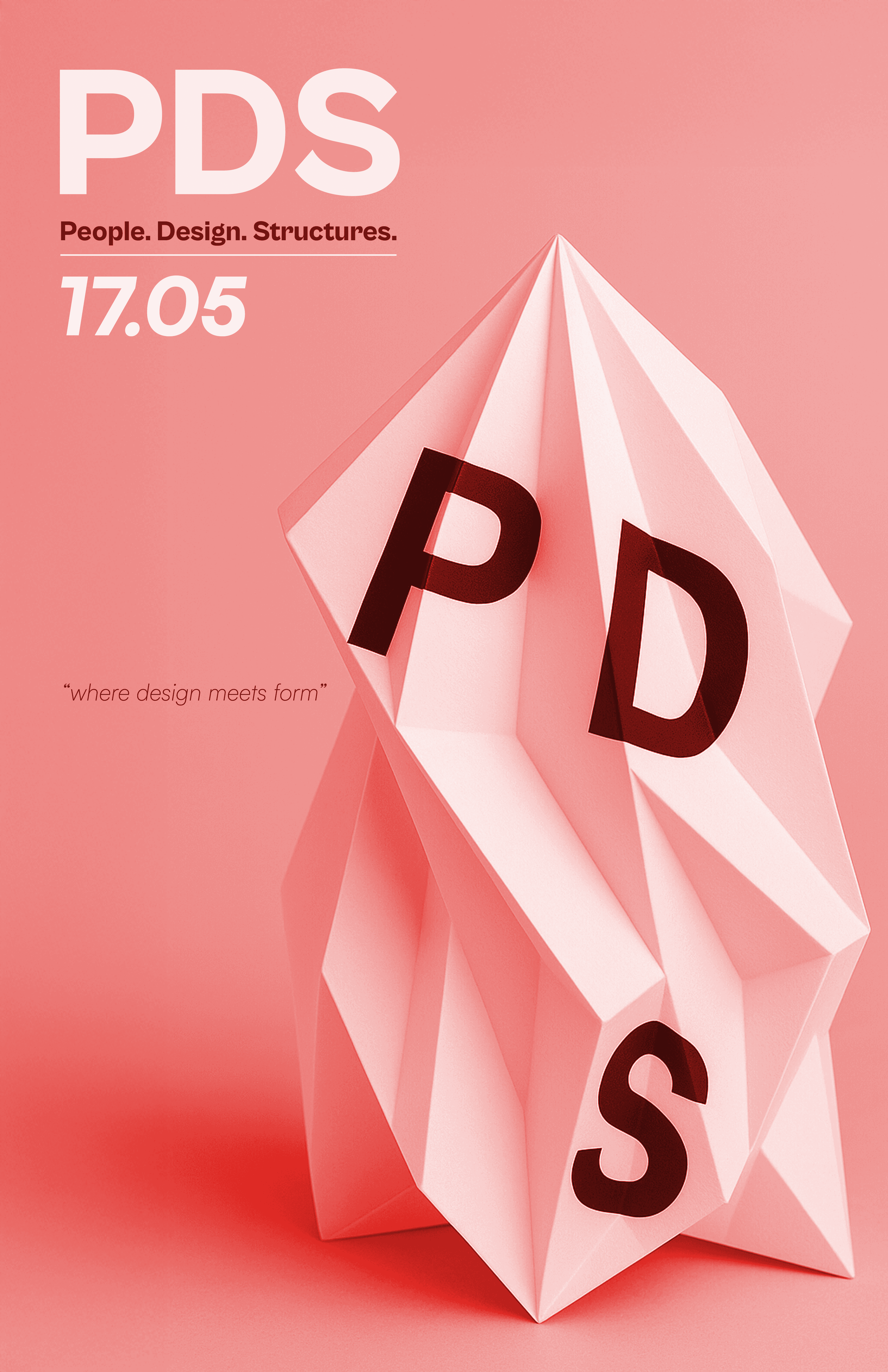
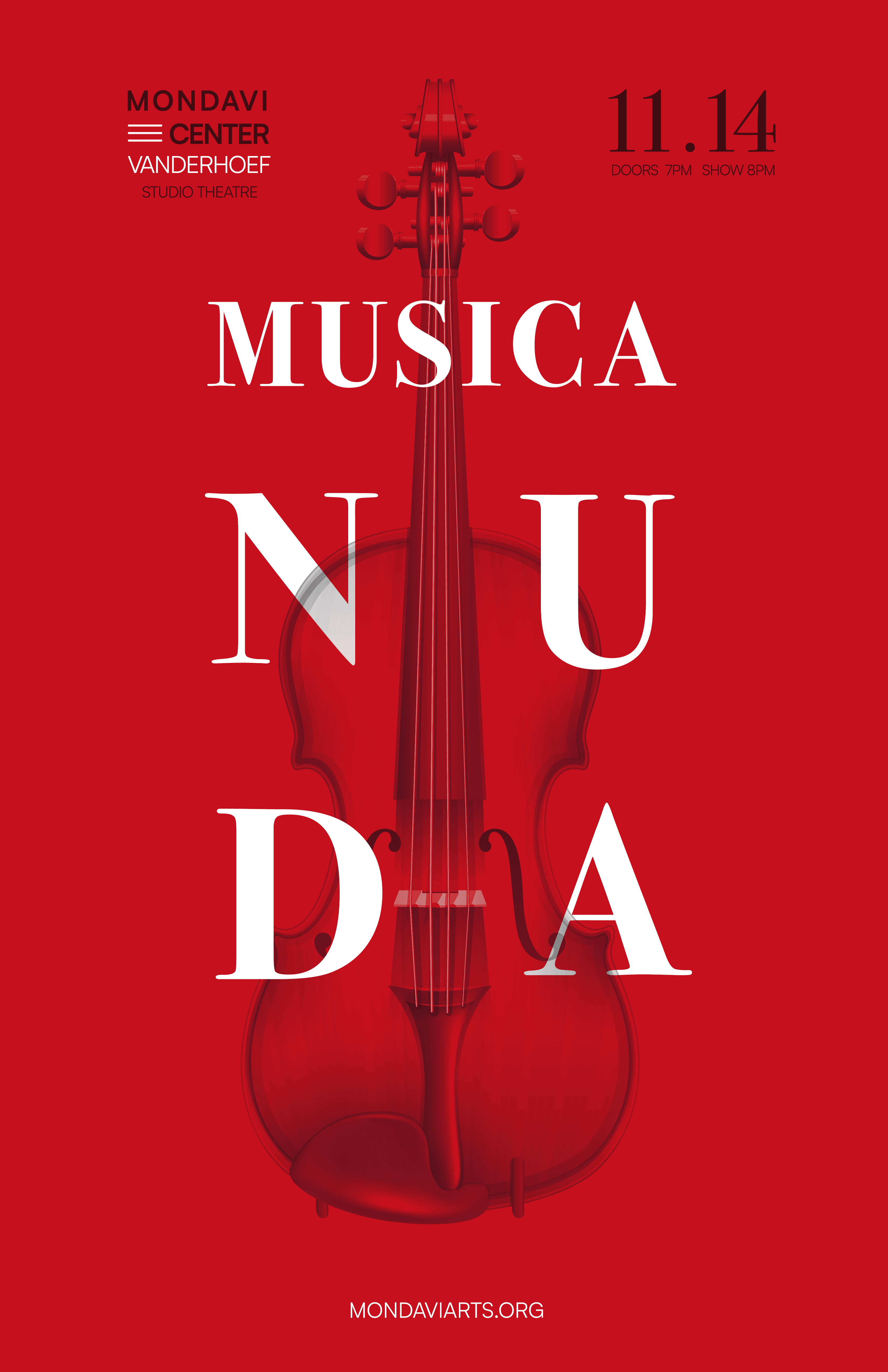
Poster design requires the ability to communicate different messages clearly while adapting to a wide range of audiences, events, and visual contexts. Each poster must capture attention quickly, establish hierarchy, and convey essential information within seconds. The challenge for this project was to develop a series of posters for different events and purposes while exploring diverse visual approaches. Rather than relying on a single style, the goal was to investigate how typography, image making, color, and composition could shift depending on the message being communicated.
Poster design requires the ability to communicate different messages clearly while adapting to a wide range of audiences, events, and visual contexts. Each poster must capture attention quickly, establish hierarchy, and convey essential information within seconds. The challenge for this project was to develop a series of posters for different events and purposes while exploring diverse visual approaches. Rather than relying on a single style, the goal was to investigate how typography, image making, color, and composition could shift depending on the message being communicated.
PROCESS
PROCESS
The series was developed through a combination of digital design techniques and analog experimentation. Each post- er began with research into the event or message it was intended to promote, followed by exploratory sketches and typographic studies. Design decisions focused heavily on hierarchy, scale, and composition to ensure that key informa- tion such as titles, dates, and locations remained clear and legible even within expressive layouts. The process involved experimenting with a variety of visual methods including halftone textures, scanned imagery, photographic manipula- tion, digital illustration, and dimensional typography.
Different posters required different technical approaches. Some relied on analog inspired techniques such as collage, scans, refractions, light and shadow, texture overlays, and image distressing to create depth and visual energy. Others explored digital tools to produce gradients, motion blur effects, lighting simulations, and dimensional typography. The work also involved careful layout systems and typographic structure to organize information across posters that ranged from music performances and art festivals to cultural events and promotional graphics. This experimentation allowed each poster to develop its own visual language while maintaining strong communication principles.
The series was developed through a combination of digital design techniques and analog experimentation. Each post- er began with research into the event or message it was intended to promote, followed by exploratory sketches and typographic studies. Design decisions focused heavily on hierarchy, scale, and composition to ensure that key informa- tion such as titles, dates, and locations remained clear and legible even within expressive layouts. The process involved experimenting with a variety of visual methods including halftone textures, scanned imagery, photographic manipula- tion, digital illustration, and dimensional typography.
Different posters required different technical approaches. Some relied on analog inspired techniques such as collage, scans, refractions, light and shadow, texture overlays, and image distressing to create depth and visual energy. Others explored digital tools to produce gradients, motion blur effects, lighting simulations, and dimensional typography. The work also involved careful layout systems and typographic structure to organize information across posters that ranged from music performances and art festivals to cultural events and promotional graphics. This experimentation allowed each poster to develop its own visual language while maintaining strong communication principles.